All Articles
18 articles
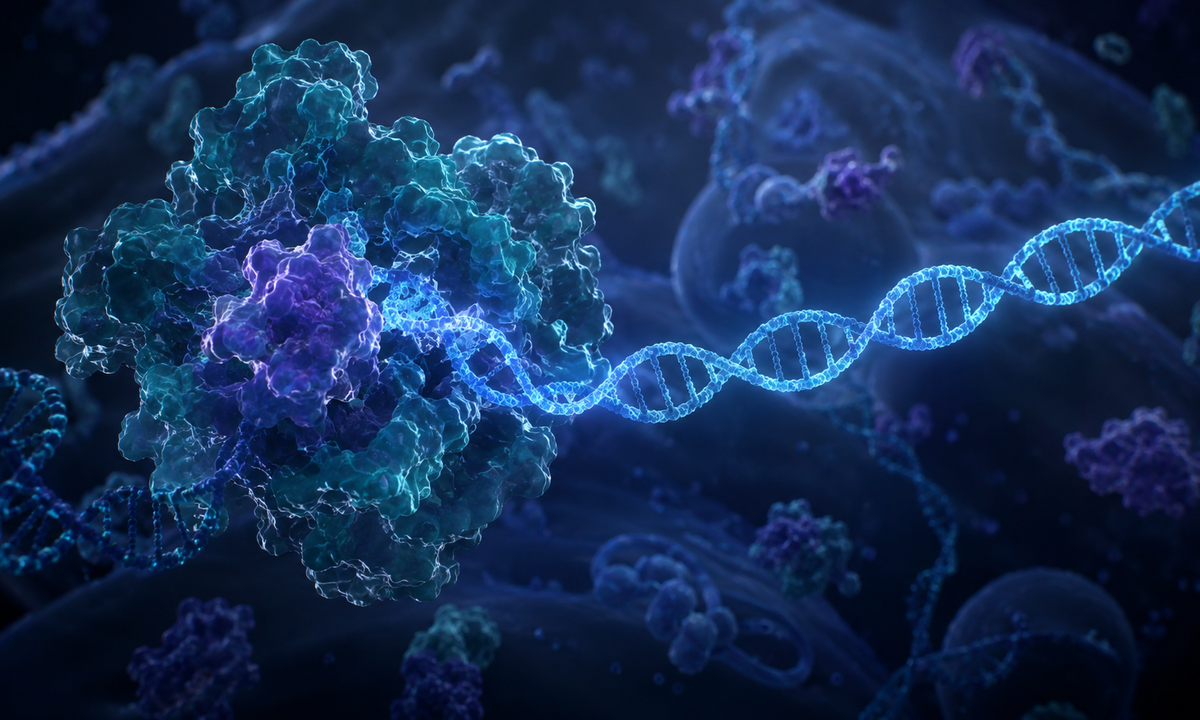
Scientists Discover a Reverse Transcriptase That Builds DNA Without RNA
Scientists have discovered DRT7, an unusual bacterial reverse transcriptase that can initiate DNA synthesis without a complementary nucleic acid template. The antiviral enzyme uses protein-templated synthesis and works with a primase–polymerase to generate long, palindromic A/T-rich DNA.
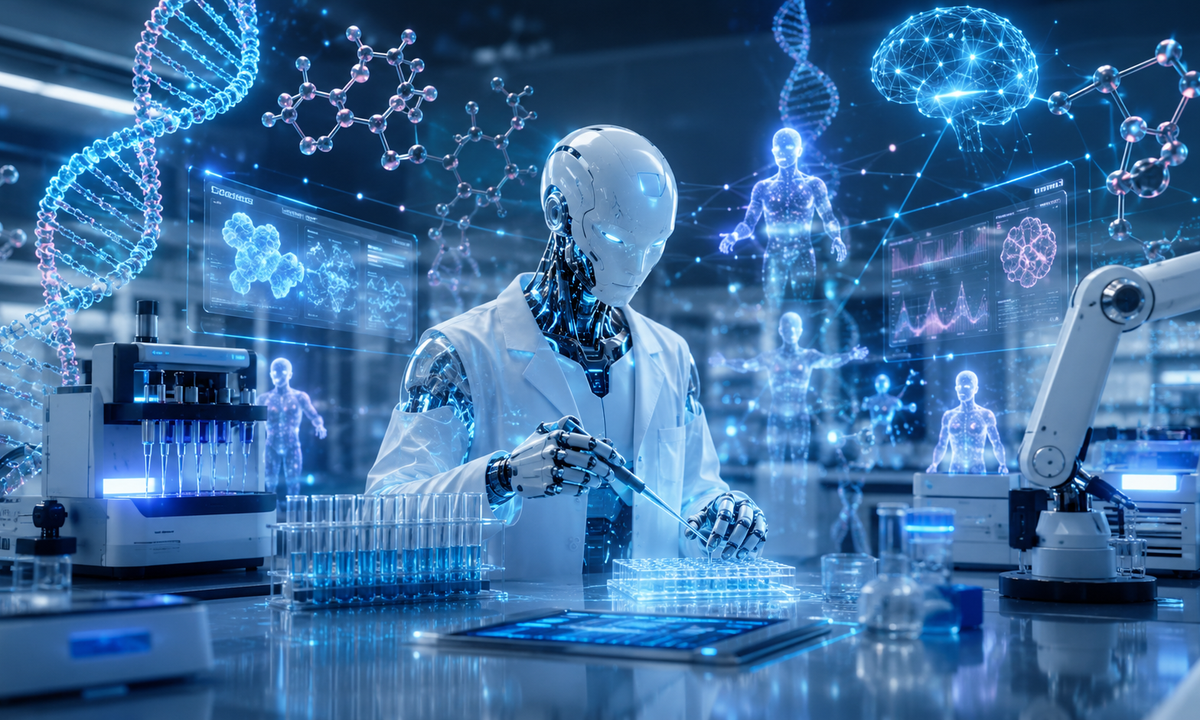
Robin AI: The Autonomous Scientist That Discovered New Drug Candidates Using Multi-Agent AI
Robin AI is a groundbreaking multi-agent artificial intelligence system designed to automate scientific discovery. Developed by researchers at FutureHouse and published in Nature, Robin can generate hypotheses, analyze laboratory data, propose experiments, and refine its findings through iterative research cycles. In a landmark demonstration, Robin identified novel therapeutic candidates for dry age-related macular degeneration, showcasing a new era of AI-driven biomedical research.

Unlocking Gene Regulation with Single-Cell Data
A new approach, MetaFR, enables accurate prediction of gene expression by integrating single-cell ATAC-seq and RNA-seq data
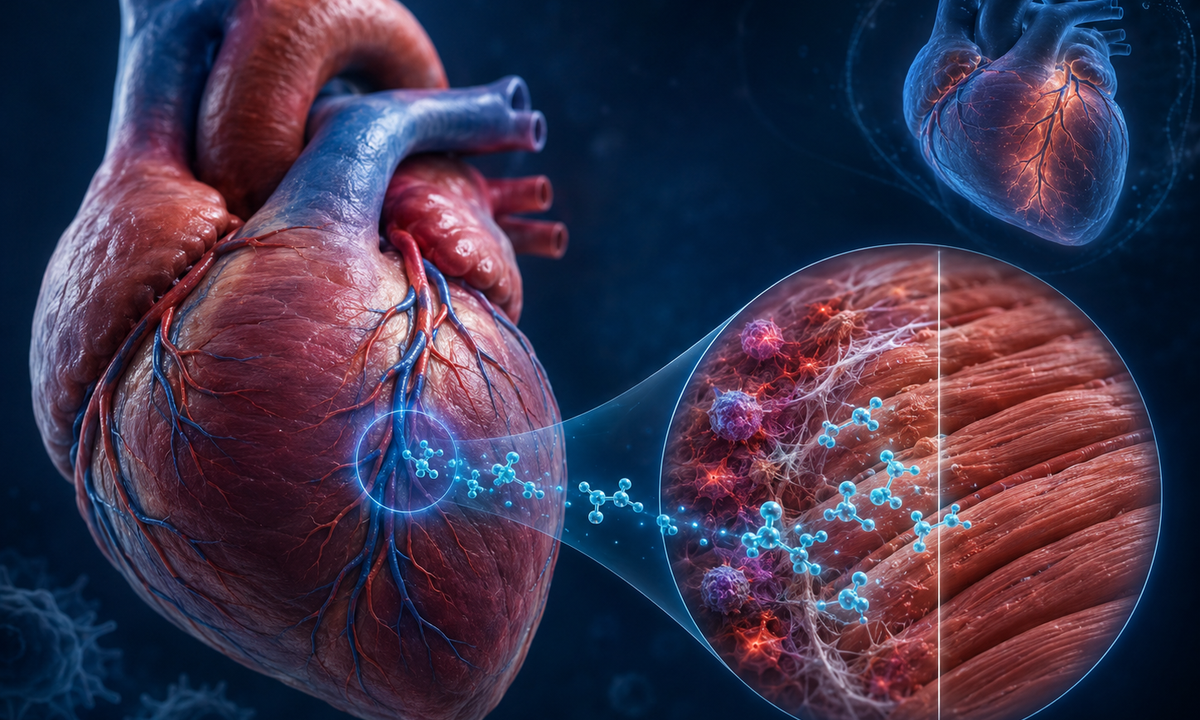
Preemptive Cardioprotection with a Small Molecule
A new small molecule, BT2, has shown promising results in reducing heart damage caused by ischemia-reperfusion injury, offering new hope for heart disease treatment.
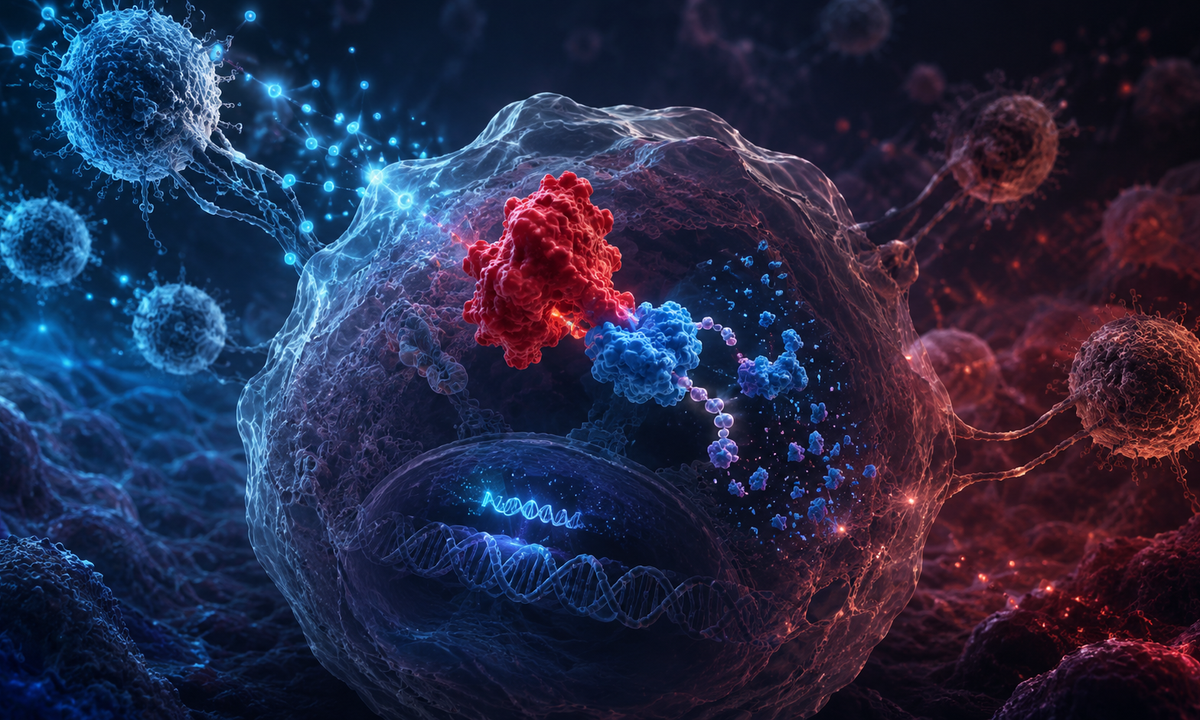
CKS1B & T Cell Exhaustion
CKS1B drives T cell exhaustion in cancer by suppressing type I interferon signaling
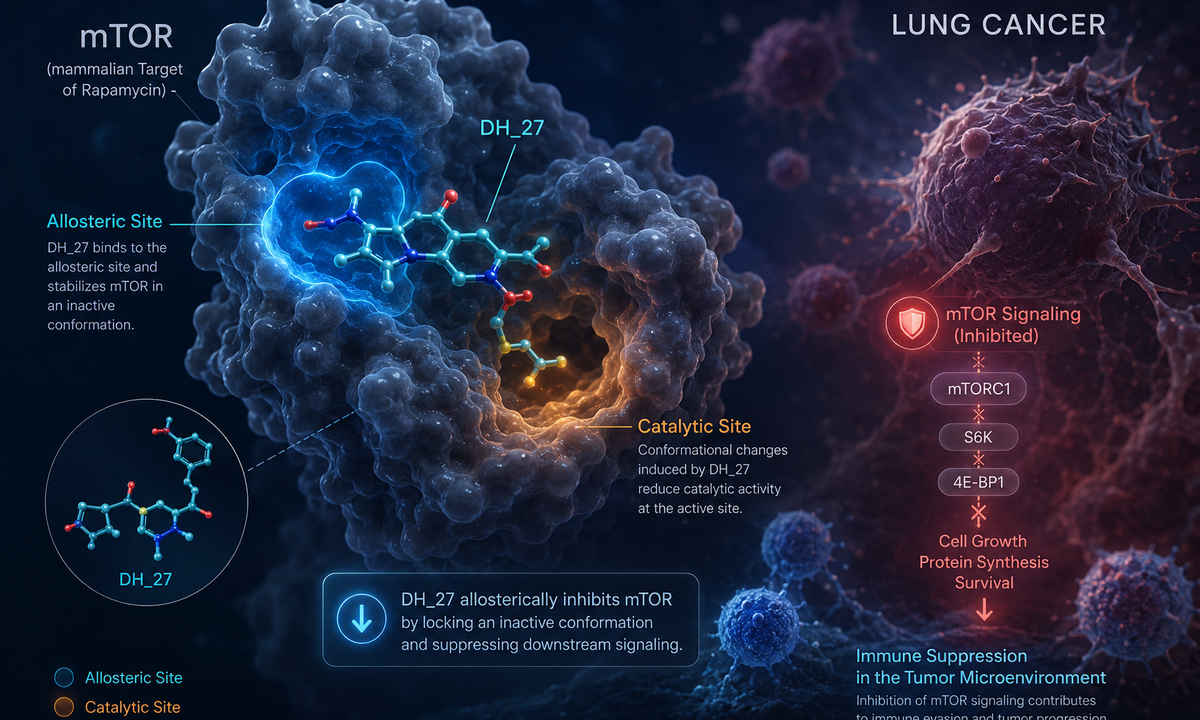
Targeting Lung Cancer with DH_27: A Novel Derivative of Renieramycin T
A new study reveals DH_27, a right-half derivative of renieramycin T, as a potent anticancer agent that inhibits mTOR signaling, leading to reduced cell growth and apoptosis in lung cancer cells
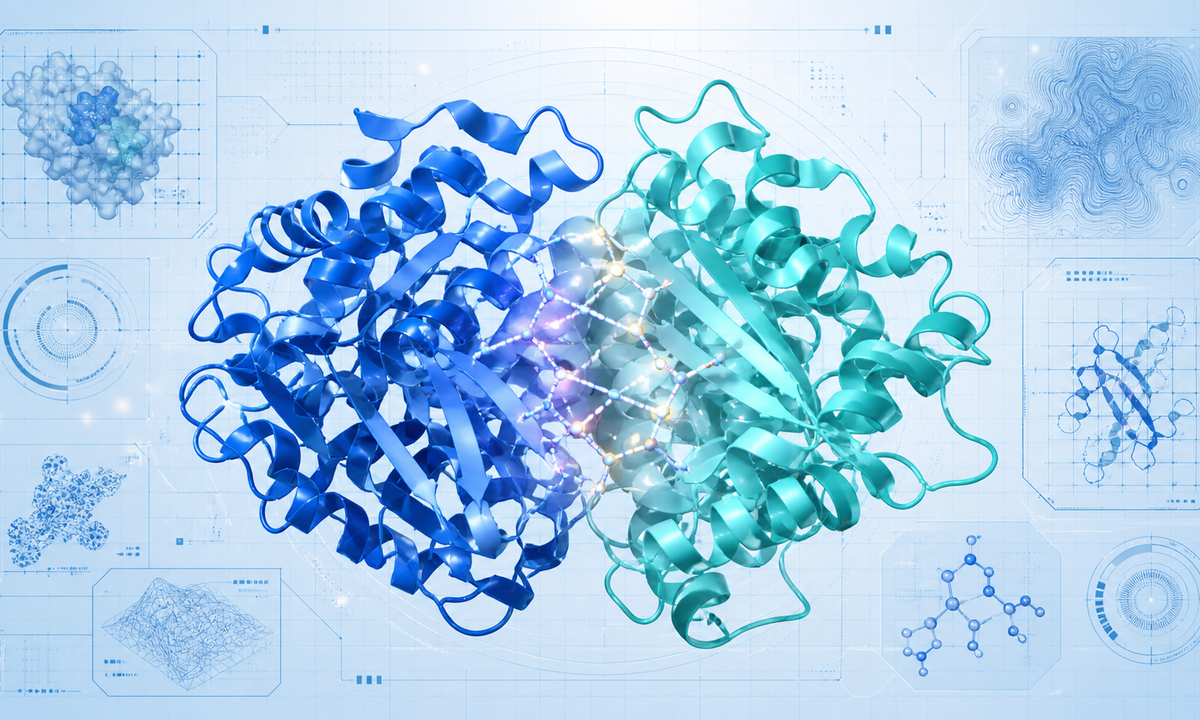
SPICE Protein Complex Analysis
SPICE is a web-based platform for rapid analysis of protein complexes
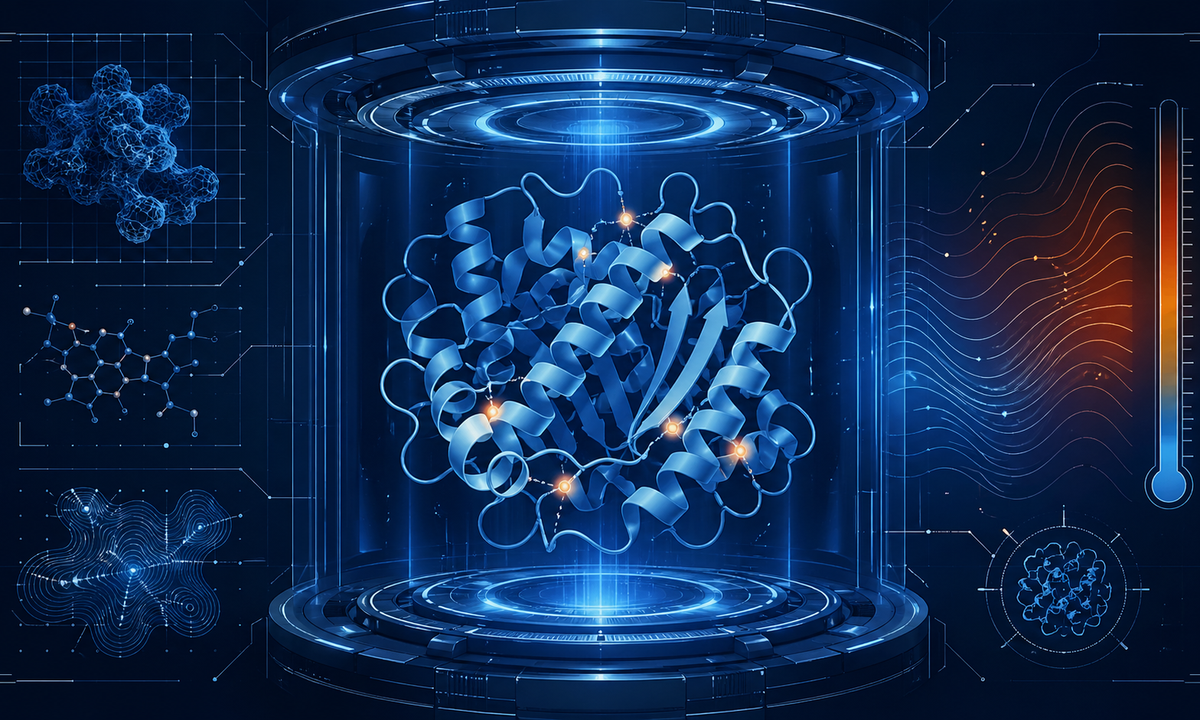
Thermostability as a Central Principle in Enzyme Engineering
Thermostability is more than the ability of an enzyme to survive heat; it is a key design principle that affects activity, folding, storage, and industrial performance. Understanding how enzymes tolerate temperature can guide smarter strategies for engineering robust biocatalysts.
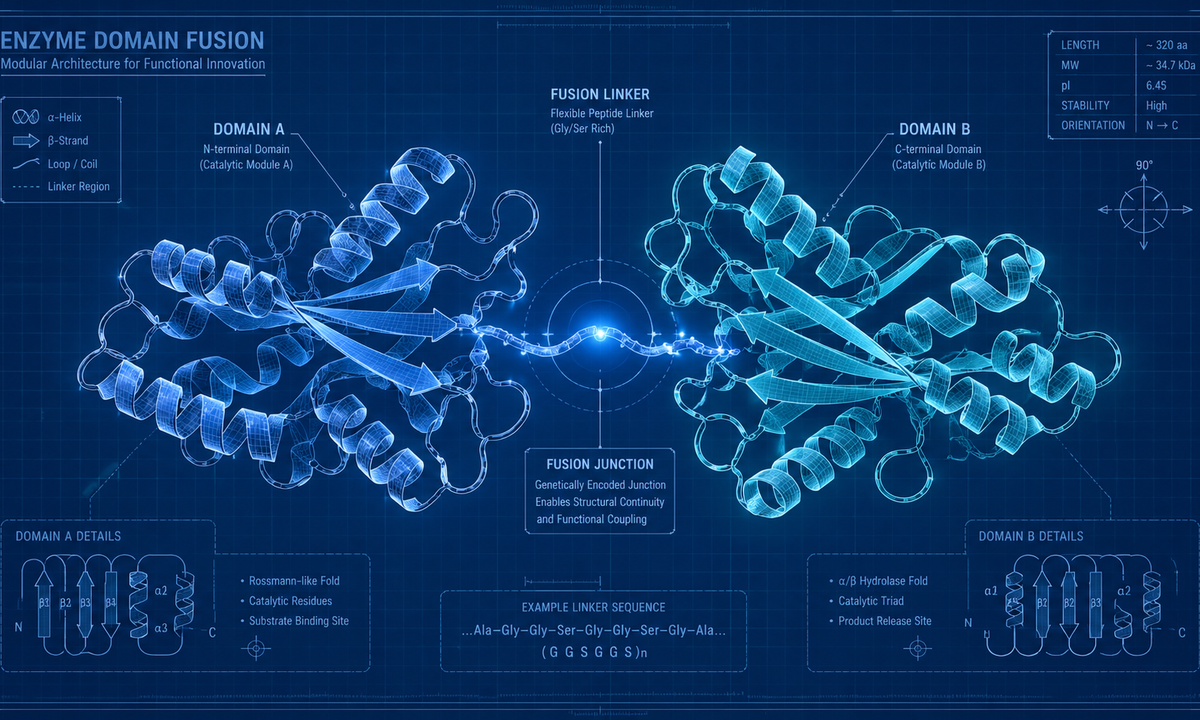
Enhancing Enzyme Thermostability via Domain Fusion
A concise overview of how domain-fusion strategies can improve enzyme stability, preserve catalytic performance, and expand the practical value of biocatalysts under elevated thermal conditions.
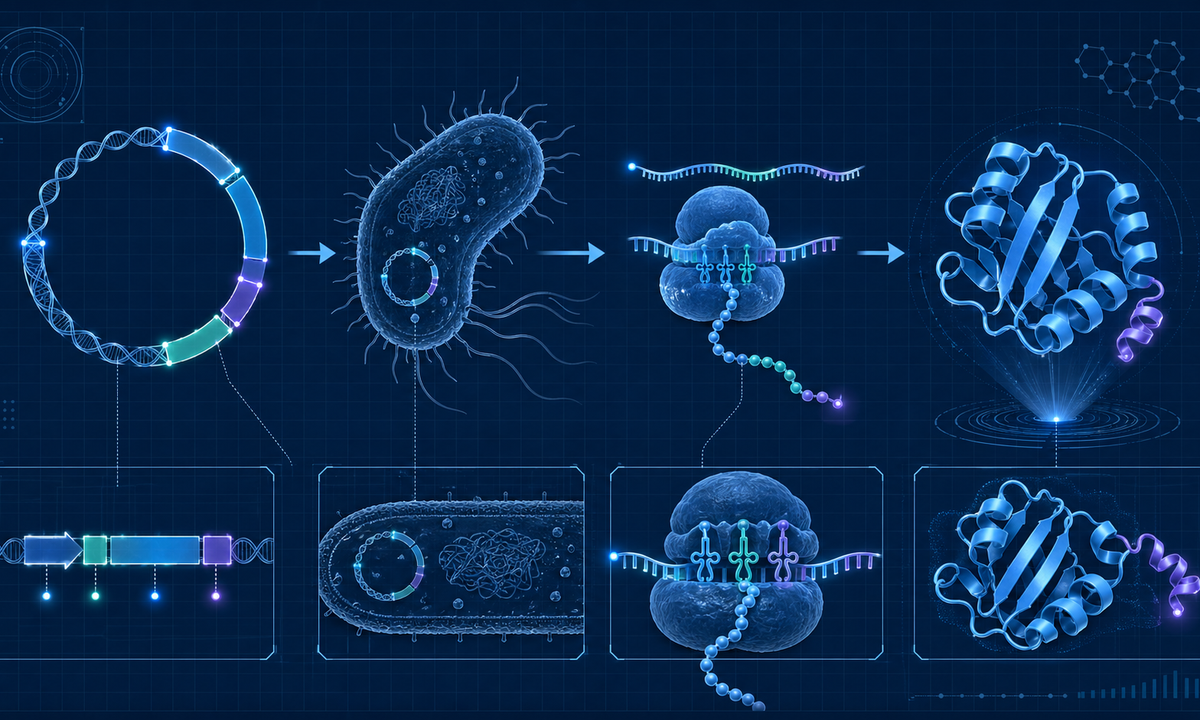
Recombinant Protein Expression: From Gene Design to Soluble Enzyme
Successful recombinant protein expression depends on much more than inserting a gene into a plasmid. Codon usage, promoter strength, tags, host selection, temperature, and folding conditions all influence whether a protein becomes soluble, active, and useful.
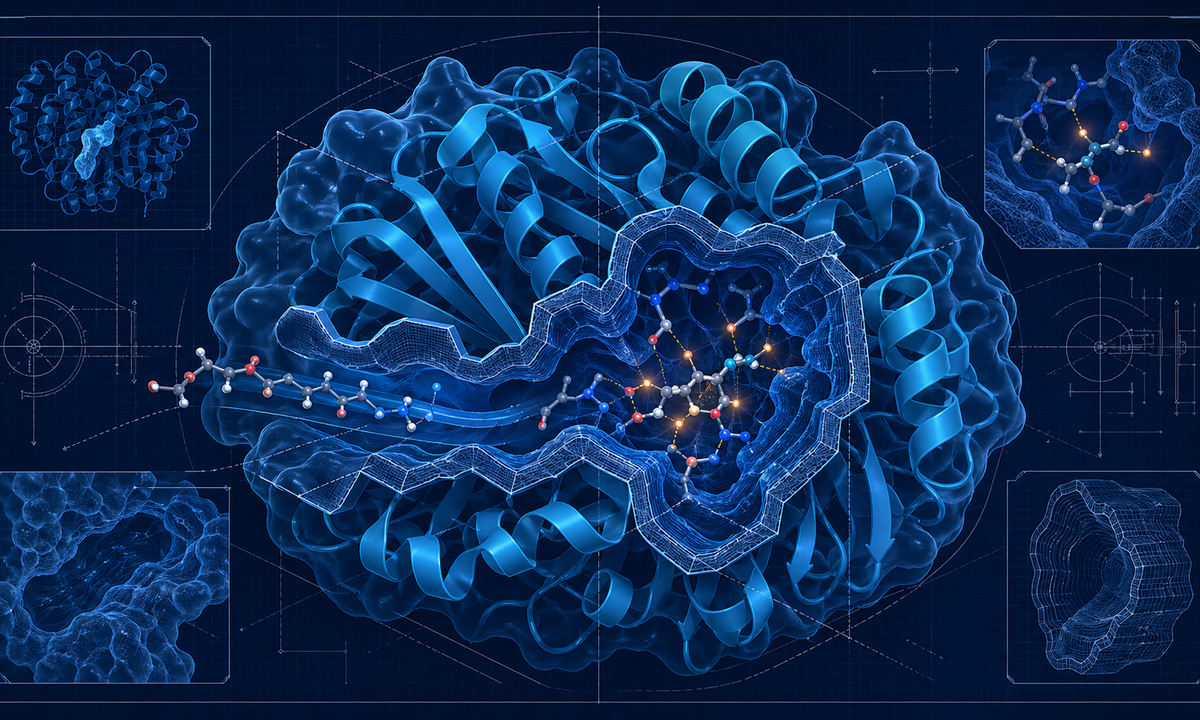
Structural Determinants of Enzyme Function and Specificity
An enzyme’s function is shaped by active-site geometry, substrate access channels, conformational flexibility, and surrounding structural networks. Understanding these features allows researchers to explain specificity and design better catalytic proteins.
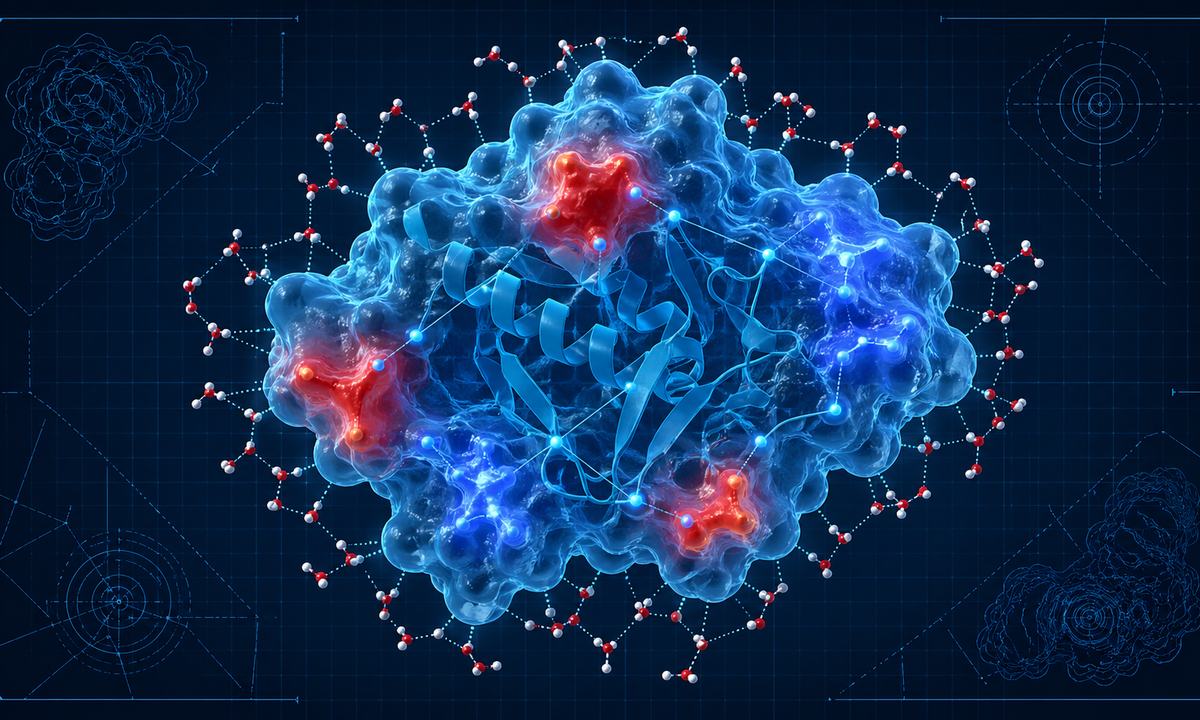
Protein Surface Engineering and the Molecular Language of Stability
The surface of a protein is not a passive boundary; it controls solubility, interaction, aggregation, and environmental tolerance. Protein surface engineering offers a rational route to improve enzyme stability and performance without directly disturbing the catalytic core.
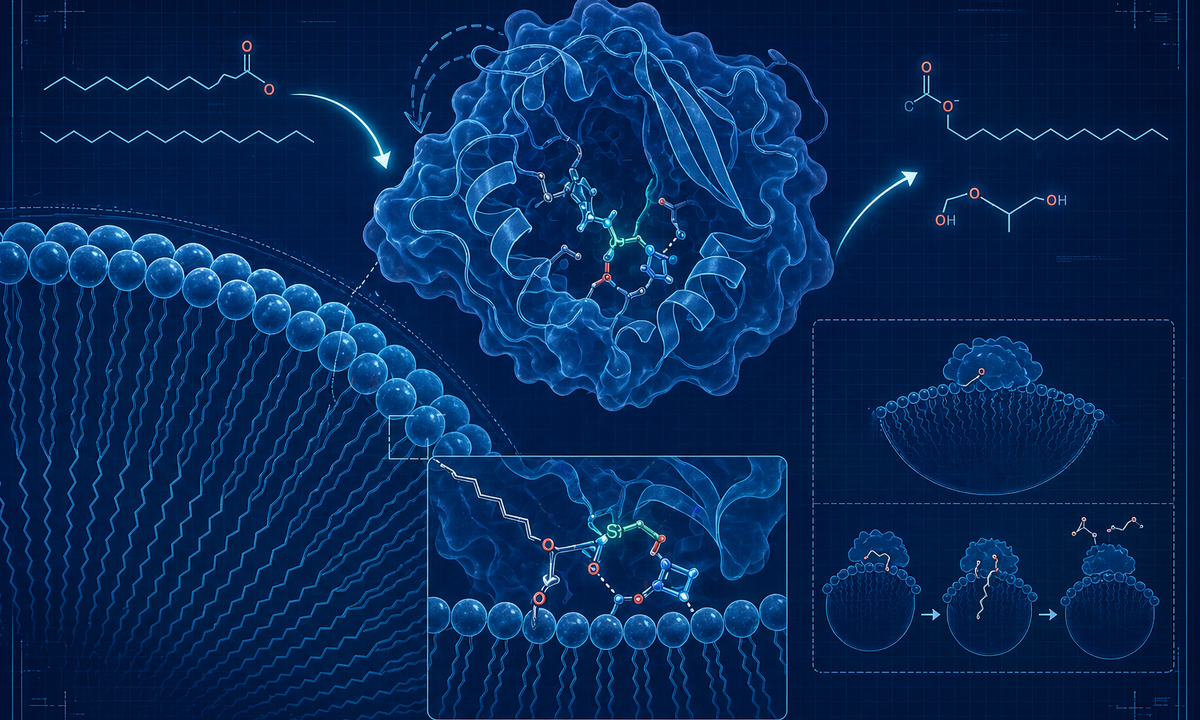
Lipases: Versatile Biocatalysts for Modern Biotechnology
Lipases are among the most useful enzymes in biotechnology because they combine catalytic versatility with broad industrial relevance. Their ability to act on lipid-based substrates makes them valuable in food, pharmaceuticals, detergents, biofuels, and environmental applications.
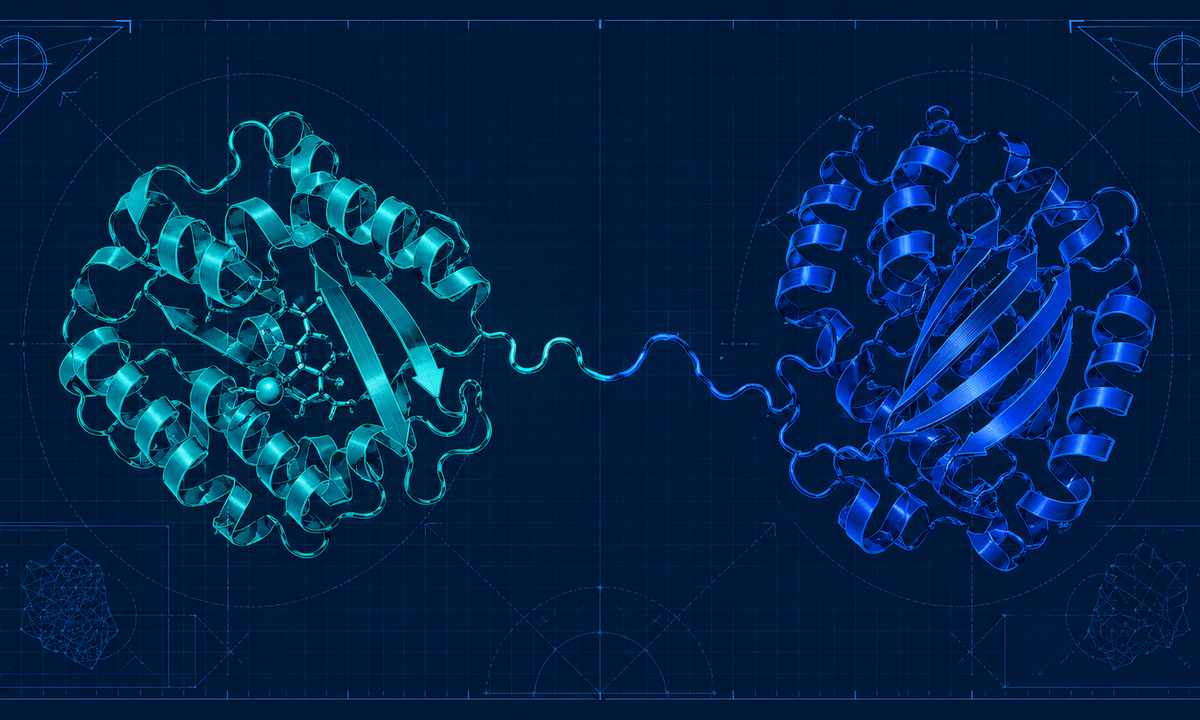
Domain Fusion Strategies for Engineering More Robust Enzymes
Domain fusion is a powerful strategy for modifying enzyme behavior by adding structural or functional modules. When designed carefully, fusion domains can influence stability, solubility, localization, interaction, and catalytic performance.
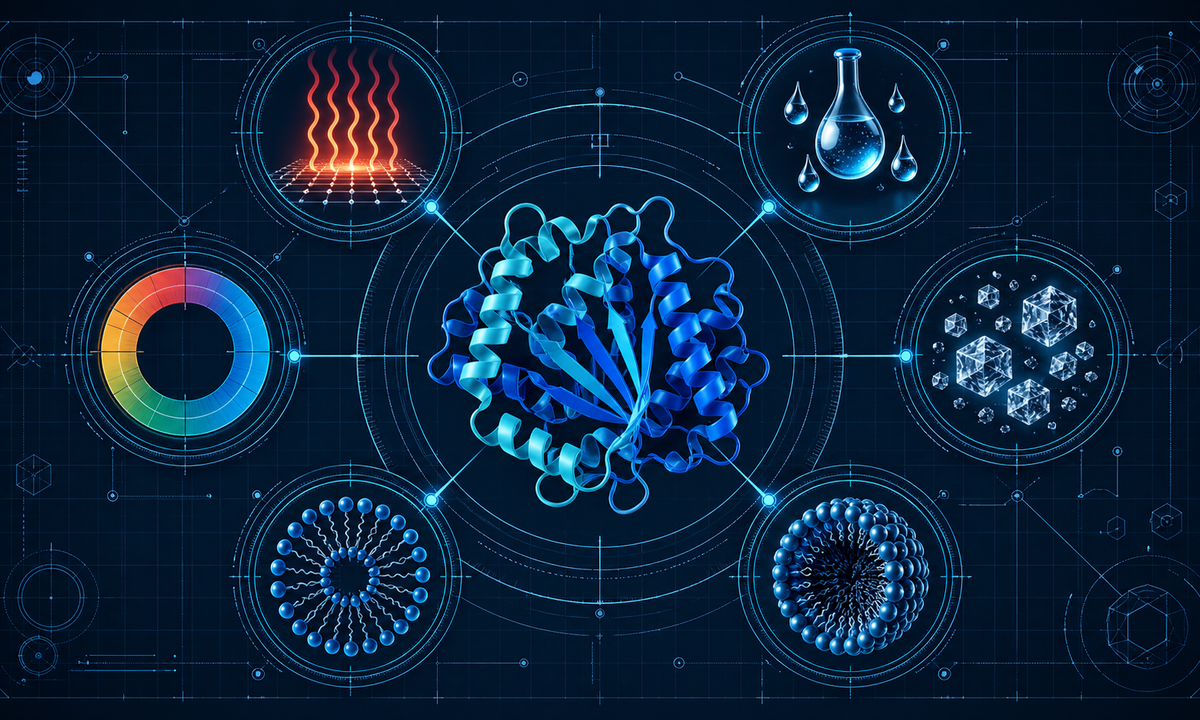
Engineering Enzymes for Industrial Stress Conditions
Industrial enzymes must often function under heat, solvents, salts, detergents, pH extremes, and mechanical stress. Designing enzymes for these environments requires attention to stability, activity, compatibility, and process performance.
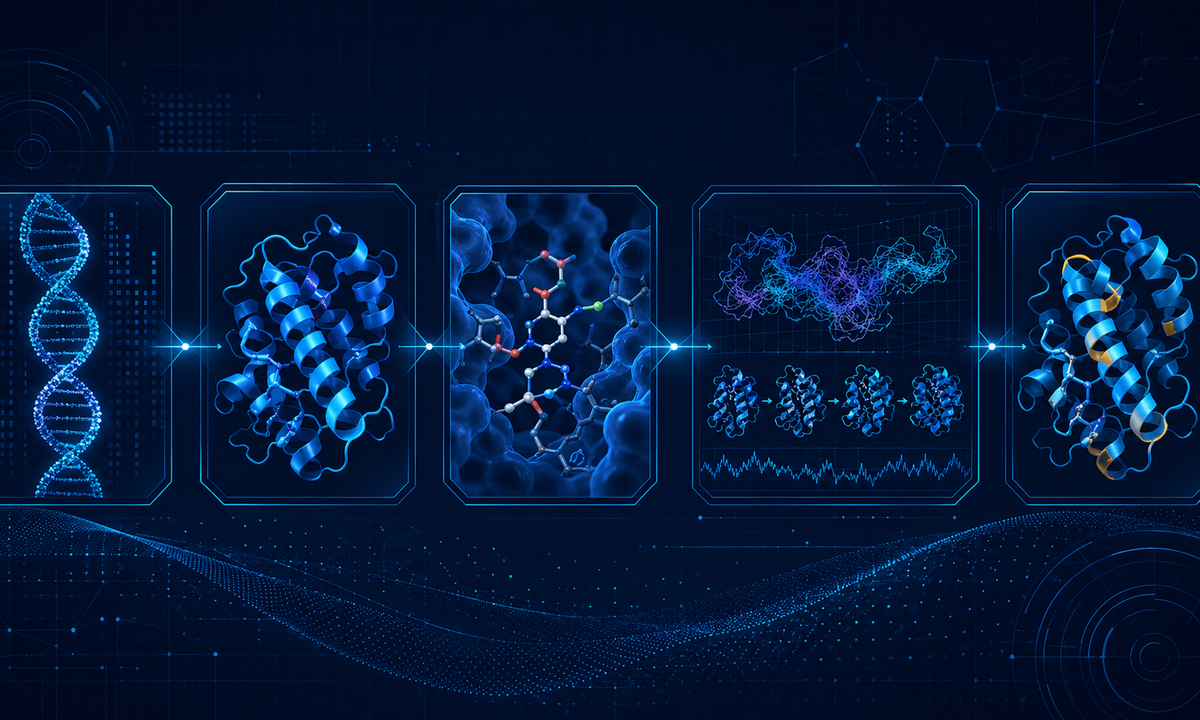
Computational Workflows for Enzyme Design and Discovery
Computational biology helps researchers explore enzyme sequences, predict structures, analyze active sites, and prioritize mutations before experimental testing. A good workflow connects digital prediction with biochemical validation.
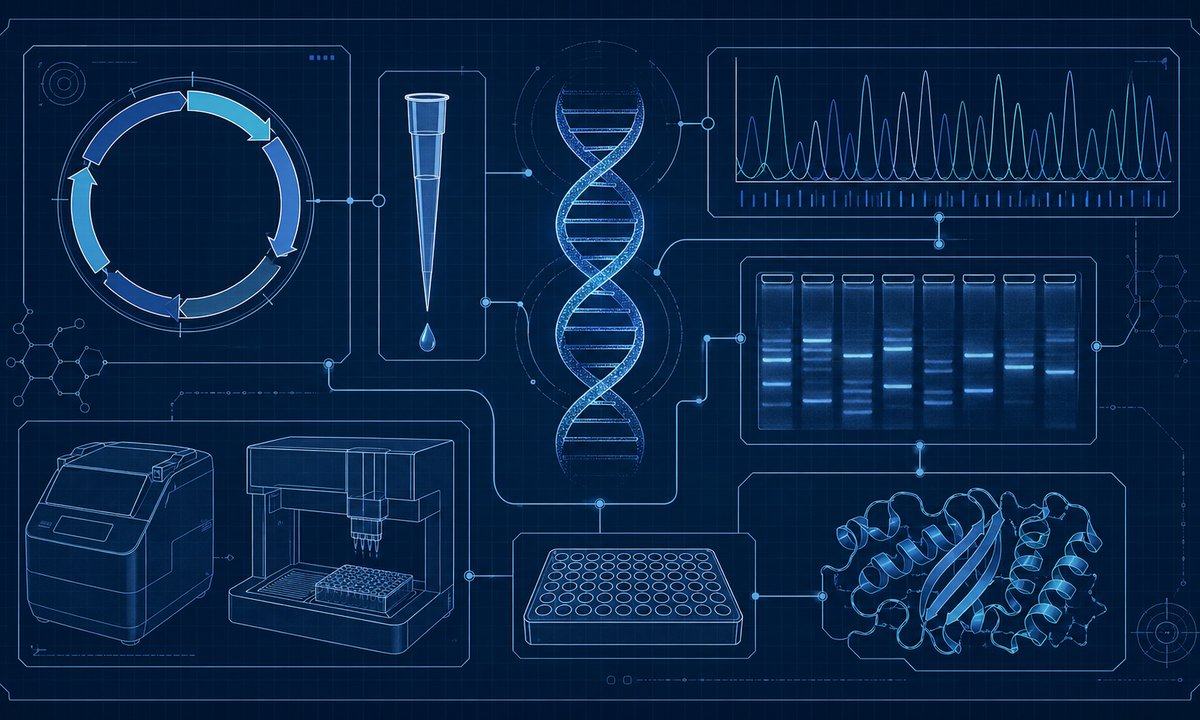
Molecular Tools Driving the Next Generation of Biotechnology
Modern biotechnology depends on a growing toolkit of molecular methods, from cloning and expression systems to sequencing, genome editing, and protein analysis. These tools allow researchers to design, build, test, and refine biological systems with increasing precision.
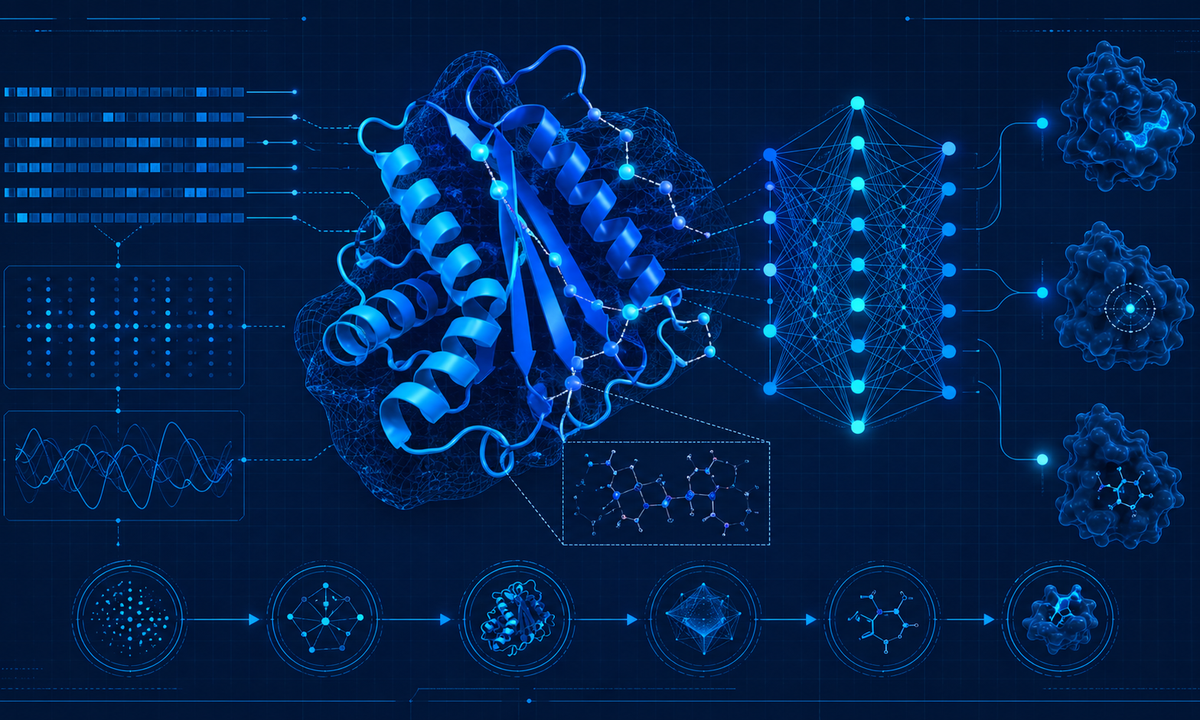
AI-Assisted Protein Engineering: From Prediction to Experimental Design
Artificial intelligence is changing protein engineering by improving structure prediction, sequence analysis, mutation prioritization, and design strategy. Its greatest value emerges when computational predictions are connected to careful experimental validation.